Black White Cat Design: A Designer's Review for Gifts
As an embroidery designer who spends more time staring at stitch previews than I do sleeping, I am always on the hunt for designs that bridge the gap between technical precision and emotional resonance. When I first loaded the Black White Cat Design onto my screen, I wasn't just looking at a digital embroidery file; I was envisioning the finished handmade product sitting in a customer's home. This review is written from the perspective of someone preparing to use this design for real customer orders, evaluating its potential for baby showers, wedding registries, and everyday custom goods.
The First Impression: Charm and Versatility
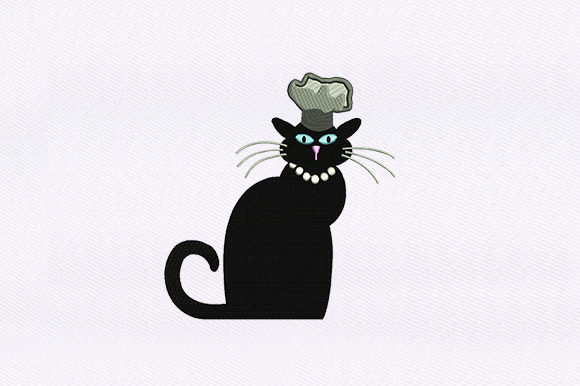
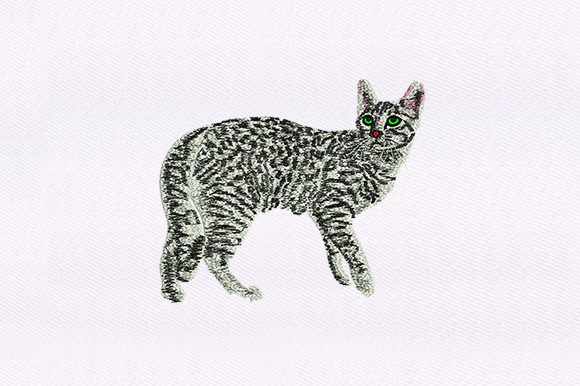
The immediate mood of the Black White Cat Design is one of timeless elegance mixed with playful warmth. Unlike some novelty Cats motifs that can feel overly cartoonish or dated, this design strikes a balance that feels both modern and classic. The contrast inherent in the black and white theme suggests a sophistication that appeals to a wide demographic, from new parents wanting a chic nursery item to couples seeking a unique wedding gift.
The detail level appears sufficient to capture the personality of the subject without becoming so dense that it compromises the fabric. For an Etsy seller or small shop owner, this is crucial. You want a design that looks intricate enough to justify a higher price point but robust enough to survive the washing machine. The emotional appeal here is strong; cats are often seen as companions and family members, making this a perfect candidate for a personalized gift that carries sentimental weight.
Ideal Applications for Your Product Line
When planning your inventory, versatility is key. The Black White Cat Design shines across several product categories. For baby embroidery, imagine this stitched onto a soft muslin swaddle or a organic cotton onesie. The monochrome palette fits perfectly into gender-neutral nursery trends. It would also make a stunning addition to a blanket embroidery project, serving as a focal point on a corner of a quilt or receiving blanket.
For the home decor market, this design is a natural fit for an embroidered towel in a kitchen or bathroom. A high-quality linen tea towel featuring this cat motif becomes an instant conversation piece. Similarly, applying it to a zippered pillow cover can transform a plain throw pillow into a designer accent. I can also see this working beautifully on canvas tote bags, where the durability of the stitches complements the heavy-duty fabric.
If you are targeting the bridal market, consider pairing this design with custom lettering for a wedding gift. Perhaps it serves as a charming "something borrowed" or a keepsake for a couple who shares a love for felines. The design's clean lines ensure that it photographs well, which is essential for creating engaging printable mockup images for your online store listings.
Technical Considerations and Fabric Challenges
While the aesthetic is promising, a professional must always approach a new machine embroidery design with a critical eye for technical execution. There are specific scenarios where the Black White Cat Design requires careful handling.
- Fabric Texture: On highly textured fabrics like waffle weave or thick terry cloth, fine details might get lost. It is advisable to test the design on a scrap piece of your intended material first.
- Stretchy Materials: If you are applying this to stretchy baby clothes, the stability of the stitches is paramount. Without the correct stabilizer, the design could pucker or distort after wear.
- Dark Fabrics: Since the design relies on black and white elements, stitching the black portions onto dark fabric will require careful planning. You may need to adjust thread colors or use an underlay strategy to ensure the black threads don't disappear into the background.
- Curved Surfaces: Embroidering on curved items like caps or rounded pillows can be tricky. Ensure your hoop placement allows the design to sit flat without stretching the fabric unevenly.
Furthermore, products that undergo frequent washing, such as kitchen towels or baby bibs, demand attention to stitch density. If the density is too high, the fabric may become stiff; if too low, the threads might snag. Always check the small details after stitching a test run to ensure the edges are clean and the satin stitches are covering the fill properly.
Enhancing Perceived Value and Customer Trust
In the world of custom embroidery, the perceived value of a product is often tied to the quality of the digitization. A clean, well-executed design like Black White Cat Design signals to the buyer that the maker cares about quality. This builds customer trust. When a client receives a finished product that looks professional and feels durable, they are more likely to return for future orders or recommend your small business to friends.
The emotional connection fostered by a personalized item cannot be overstated. A customer buying this for a friend who loves cats is not just buying a towel; they are buying a moment of joy. By offering a design that captures the spirit of the subject, you enhance buyer engagement. High-quality product photography that highlights the texture of the stitches against the fabric will further elevate the listing, making it stand out among other small shop products.
Practical Notes for the Studio
Before running this design on a customer's expensive fabric, adhere to these practical steps to ensure success:
- Test on Scrap Fabric: Never skip the test stitch-out. Use the same type of fabric and stabilizer you plan to use for the final order.
- Check Thread Contrast: Verify that your black and white threads provide the necessary contrast. Sometimes a slightly off-black or bright white works better depending on the lighting and fabric tone.
- Confirm Hoop Size: Review the dimensions of the design against your available hoops. While the specific hoop size is not listed in the file description, ensure your machine can accommodate the design's footprint.
- Review Stitch Density: Examine the preview in your embroidery software. Look for areas that might be too dense for lightweight fabrics.
- Use Proper Stabilizer: Match your stabilizer to the fabric weight. Cut-away stabilizer is often best for garments that will be washed frequently, while tear-away may suffice for decorative wall hangings.
- Compare Mockups: Create digital mockups on both light and dark backgrounds to visualize the final look before committing to thread purchases.
- Verify Licensing: The file formats provided include 10O, ART, CND, DSB, DST, DSZ, EXP, HUS, JEF, PEC, PES, TAP, VIP, VP3, and XXX. However, always confirm the commercial licensing terms with the creator before selling commercial embroidery items made from this digital embroidery file.
In conclusion, the Black White Cat Design offers a delightful blend of style and substance. With its broad appeal and adaptability to various Embroidery projects, it stands as a strong contender for any designer's library. Whether you are creating a heirloom baby embroidery piece or a fun accessory for a cat lover, this design has the potential to become a bestseller in your shop, provided you pay attention to the technical details that define true craftsmanship.