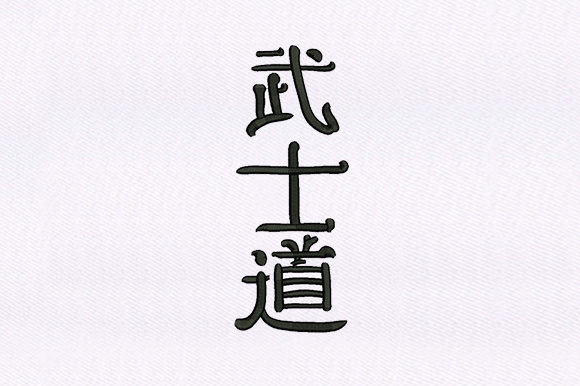
Fighting Spirit Design: A Pro Review for Boutique Sweatshirts
As an embroidery designer who has spent years digitizing and stitching for small clothing brands, I know that the difference between a hobbyist item and a premium boutique product often comes down to one thing: the design choice. Recently, I had the opportunity to evaluate the Fighting Spirit Design for an upcoming limited drop of oversized hoodies and cozy seasonal apparel. This isn't just a quick look at a digital file; it is a deep dive into how this specific machine embroidery design performs when translated from a screen to thick, high-quality fabric.
First Impressions: Mood and Layout
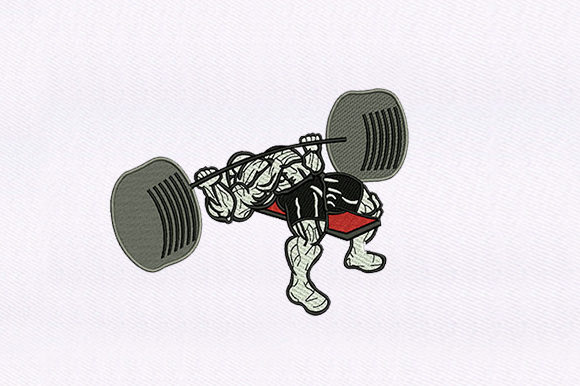
When I first loaded the Fighting Spirit Design into my editing software, the immediate impression was one of bold confidence. True to its name, the layout exudes energy without feeling chaotic. For a boutique brand targeting the sports or active lifestyle market, the aesthetic strikes a perfect balance between aggressive motivation and wearable art. It doesn't scream; it declares.
The detail level appears robust enough to hold up under scrutiny but not so dense that it becomes stiff. In the world of sweatshirt embroidery, stiffness is the enemy of comfort. A design that feels like a plastic shield on the chest will never become a customer's favorite garment. From what I can see in the preview, the stitch density seems calibrated to allow the fabric texture of French terry or heavy cotton blends to breathe. This suggests a finished product that drapes well, maintaining that coveted "lived-in" feel that Etsy shoppers and boutique clients crave.
Visualizing the Finished Product on Various Fabrics
One of the most critical steps in my design process is mentally placing the artwork on different colorways. The Fighting Spirit Design offers remarkable versatility here.
- Neutral Sweatshirts: On heather grey or oatmeal fabrics, this design shines when paired with contrasting thread colors. A deep navy or charcoal stitch creates a sophisticated, understated look that appeals to customers who prefer minimal branding.
- Dark Fabric: When placed on black or midnight blue hoodies, the design demands lighter threads—perhaps metallic gold, silver, or crisp white. This creates a striking pop that enhances visual recognition, making the piece stand out in lifestyle product photography.
- Pastel Colors: For a softer, more feminine take suitable for spring collections, pairing this bold motif with pastel pink or mint green sweatshirts creates an interesting juxtaposition. It softens the "fighting" aspect into something more about inner strength and resilience.
- Oversized Hoodies: The scale of the design seems perfectly suited for the current trend of oversized fits. Placed centrally on the chest, it anchors the large canvas of the garment without getting lost.
Whether you are aiming for a rustic, vintage vibe or a clean, modern athletic look, the Fighting Spirit Design adapts well. It feels premium rather than cheap, which is essential for building buyer trust in a competitive market.
Technical Considerations for Commercial Use
Moving from aesthetics to mechanics, let's talk about the actual production. As a professional, my mind immediately goes to stabilizer choice and hoop placement. Sweatshirt materials vary wildly in thickness, from lightweight fleece to heavy 14oz cotton blends.
Because this is a digital embroidery file intended for commercial use, ensuring the right backing is crucial. For thicker fabrics, a cut-away stabilizer is usually my go-to to prevent distortion over time, especially for a design with the dynamic lines implied by the title "Fighting Spirit." If the design includes fine text or intricate borders, small-size readability becomes a concern. I always recommend running a test stitch-out on your specific fabric blend before committing to a full production run.
Another vital factor is washing durability. A design meant for custom apparel must withstand repeated laundering without puckering or thread breakage. The structure of this design suggests it has the integrity to handle regular wear, provided the tension is adjusted correctly for the specific machine being used. Always check the recommended hoop size included with your download to ensure your equipment can accommodate the full layout without re-hooping, which can lead to alignment issues.
Maximizing Brand Value and Placement Strategies
How you place the Fighting Spirit Design can drastically alter its impact on your brand identity. While the chest is the classic location for a hoodie design, don't sleep on alternative placements that can elevate your small shop product line.
- Sleeve Accents: Scaling the design down for the left sleeve adds a subtle, high-end touch often seen in major athletic brands. It signals attention to detail.
- Back Designs: If the file allows for scaling without losing definition, a large back placement turns the sweatshirt into a statement piece, perfect for team uniforms or event merchandise.
- Hem or Cuff Details: A tiny iteration near the bottom hem can serve as a signature mark, encouraging customers to share photos of the unique detail on social media.
For the Etsy seller or handmade business owner, these variations allow you to create multiple SKUs from a single design asset. This maximizes your return on investment and keeps your inventory looking fresh. Furthermore, using this design in your printable mockup previews can significantly boost customer engagement. High-quality visuals that show the texture of the stitches help buyers visualize the finished product, reducing hesitation and increasing conversion rates.
File Compatibility and Final Thoughts
One of the strongest selling points of the Fighting Spirit Design is its extensive compatibility. The package includes a vast array of embroidery file formats such as DST, PES, EXP, JEF, HUS, VIP, VP3, XXX, ART, CND, DSB, DSZ, PCS, PEC, TAP, and 10O. This ensures that whether you are running a multi-head Tajima, a home Brother machine, or a Janome setup, you likely have a native format ready to go. This universality is a huge plus for commercial embroidery shops that manage diverse equipment.
However, a word of caution: while the format list is impressive, always verify the specific stitch count, exact hoop dimensions, and license terms provided in your download folder before starting production. These details are not invented here but are specific to the file you purchase. Ensuring you have the correct commercial license is paramount if you plan to sell the physical garments.
In conclusion, the Fighting Spirit Design is more than just a pattern; it is a strategic tool for brand building. It carries the weight of motivation and the polish of professional Sports apparel. For designers looking to expand their Embroidery portfolio with something that resonates with strength and style, this design offers a solid foundation. It bridges the gap between cute, casual wear and serious athletic gear, making it a versatile addition to any boutique collection. By paying attention to thread contrast, stabilizer selection, and creative placement, you can transform this digital file into a tangible product that customers will cherish and wear with pride.