Green Vintage Car Design: A Pro Review for Branding
As an embroidery designer who has spent years digitizing and testing files for small business merchandise, I approach every new machine embroidery design with a critical eye. It is not just about whether the image looks cute on a screen; it is about how that digital embroidery file translates into thread on real fabric. Today, I am reviewing the Green Vintage Car Design, a transportation-themed asset that holds significant potential for boutique owners, café operators, and handmade brands looking to elevate their brand identity.
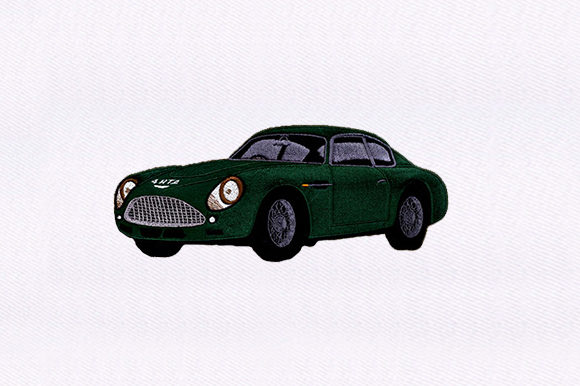
Upon first inspection, the Green Vintage Car Design exudes a charming, rustic personality. The choice of green suggests growth, nature, and reliability, while the vintage car motif taps into a sense of nostalgia and classic craftsmanship. This combination creates a visual language that feels both friendly and premium. For a florist, a local bakery, or a creative studio, this aesthetic aligns perfectly with a "handmade product" vibe. It does not scream corporate sterility; instead, it invites customers into a story of tradition and care. However, in the world of commercial embroidery, aesthetics are only half the battle. The true test lies in execution.
Real-World Application for Small Business Merch
When considering where to deploy the Green Vintage Car Design, the possibilities for small business merch are extensive. Imagine a local coffee shop wanting to distinguish its staff. Applying this design as an apron embroidery accent on the chest pocket adds a touch of whimsy without overwhelming the uniform. The car acts as a subtle badge of honor, signaling that the wearer is part of a team that values style and history.
For retail boutiques and Etsy sellers, this design shines as an embroidered patch. Patches are incredibly versatile; they can be sewn onto tote bags, denim jackets, or canvas caps. Because the subject matter falls under the Transportation category, it appeals to a broad audience, from automotive enthusiasts to anyone who appreciates retro travel. If you run a pet brand, imagine this stitched onto a durable dog bandana or a groomer's smock. The key here is versatility. The design serves as a strong focal point for custom apparel while remaining small enough to function as a detailed label on product packaging accents.
In terms of cap embroidery, this design could work beautifully on the side panel or even the front, provided the curvature of the hat is accounted for during the hooping process. A tote bag design featuring this car would instantly elevate a simple canvas shopper into a branded statement piece, increasing the perceived value of the finished product given away at markets or included with online orders.
Technical Considerations and Stitch Performance
While the visual appeal is evident, we must discuss the technical realities of running this file. The provided embroidery file formats include 10O, ART, CND, DSB, DST, DSZ, EXP, HUS, JEF, PEC, PES, TAP, VIP, VP3, and XXX. This wide compatibility is excellent for shops running various machine brands, from Brother to Janome to Bernina. However, before committing to a large production run, there are critical factors to evaluate.
First, consider the stitch density. Vintage designs often rely on fine details to capture the era's essence. If the Green Vintage Car Design has too high of a density, it may cause puckering on lightweight fabrics like poly-cotton blends used for t-shirts. Conversely, if the density is too low, the coverage might look sparse on textured materials. I always recommend testing the design on the exact fabric you intend to use. For dark uniforms, ensure the thread colors provide sufficient contrast. A dark green car on a navy blue shirt might get lost, whereas a bright sage or emerald green would pop effectively.
Another crucial element is the hoop size. Although the specific dimensions are not listed in the product description, you must verify that the design fits within your available hoop area, especially if you plan to place it on narrow locations like cap fronts or sleeve cuffs. Additionally, the use of a proper stabilizer is non-negotiable. For items that will undergo frequent washing, such as staff aprons or daily-wear caps, a cut-away stabilizer is often superior to tear-away to prevent distortion over time.
Impact on Brand Identity and Customer Trust
Why does a specific design choice matter? Because consistency builds trust. When a customer sees the Green Vintage Car Design on your website, your social media printable mockup, and then physically on the product they purchased, it reinforces your professionalism. It tells them that you pay attention to detail. In the competitive landscape of handmade goods, these design assets are what separate a hobbyist from a serious brand.
Using a cohesive theme across your merchandise helps with recognition. If your logo incorporates similar vintage elements, this car design acts as a perfect secondary mark. It enhances buyer engagement by offering products that feel curated rather than generic. For example, a florist delivering arrangements in a tote bag featuring this vintage car creates a memorable unboxing experience that customers are likely to share on social media, effectively providing free marketing for your business.
Essential Designer Notes for Production
Before you load this file into your machine for a client order, follow this checklist to ensure success:
- Test in Black and White: Print the design in grayscale first to check if the contrast holds up without relying on color differentiation.
- Check Small Scale Legibility: Stitch a sample at the smallest intended size (e.g., a 2-inch patch) to ensure fine lines do not merge or disappear.
- Review Thread Contrast: Ensure the green shades chosen stand out against your base fabric color.
- Inspect Spacing: Look for areas where stitches might be too close together, which can cause thread breaks or bird nesting.
- Confirm Hoop Size: Measure the design dimensions against your machine's hoop capabilities.
- Test on Real Fabric: Never assume a digital preview matches reality; always stitch out on the actual material.
- Use Proper Stabilizer: Match the stabilizer weight to the fabric texture and the item's end use.
- Create a Mockup: Generate a realistic printable mockup for client approval before cutting any fabric.
- Compare Assets: Place this design beside your existing logo and other design assets to ensure visual harmony.
- Verify Licensing: Confirm commercial licensing terms before using the file for goods you intend to sell.
The Green Vintage Car Design is a robust option for those in the Embroidery industry looking to add character to their offerings. Whether you are creating uniforms for a local bistro or crafting unique gifts for a wedding party, this design offers a blend of nostalgia and professionalism. By paying attention to the technical details—such as fabric texture, stitch density, and proper stabilization—you can transform a simple digital file into a tangible asset that drives brand loyalty and elevates your product line. Remember, the difference between a good product and a great one often lies in the quality of the stitch and the thoughtfulness of the design selection.