Muslim Male Praying Lineart
First Impressions of Muslim Male Praying Lineart
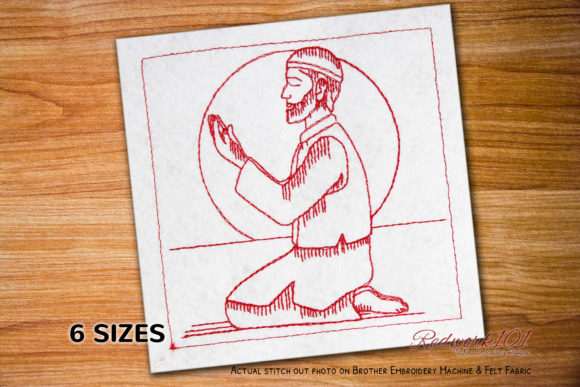
From the moment I laid eyes on Muslim Male Praying Lineart, it felt like a design that carries quiet strength. The lineart is clean, focused, and immediately recognizable as a representation of devotion. The figure is rendered in a way that emphasizes simplicity and clarity, making it ideal for embroidery projects where visual impact matters but complexity doesn’t.
The layout is straightforward—no unnecessary embellishments, just a strong central image. This makes it perfect for custom apparel, baby items, or even small patches where space is limited. The theme is clear: a man in prayer, captured in a respectful and dignified manner. It’s not overly detailed, which means it can work well with various embroidery techniques and fabric types.
Where Muslim Male Praying Lineart Fits Best
For an embroidery designer, Muslim Male Praying Lineart feels like a natural fit for religious-themed custom apparel, especially for clients who want to express their faith through wearable art. It could be used on sweatshirts, tote bags, or even aprons for a subtle yet meaningful touch. Its minimalist style also makes it suitable for baby clothes, where simplicity often wins over intricacy.
It’s also a great option for personalized gifts. Whether it’s a holiday gift, a wedding present, or a thoughtful token for a friend or family member, the design has a universal appeal that transcends cultural boundaries. As a digital product seller, this design could easily be included in a collection of religious embroidery files, offering value to Etsy sellers and craft entrepreneurs looking for unique, ready-to-use assets.
Real-World Use Cases for Muslim Male Praying Lineart
Imagine a client asking for a custom embroidered tote bag featuring a meaningful symbol. Muslim Male Praying Lineart would be a strong choice. It’s large enough to be visible without being overwhelming, and its lineart structure ensures that it stitches cleanly on most fabrics. A small business owner might use it on a series of handmade products, from pillow covers to tea towels, adding a personal and spiritual touch to everyday items.
For a craft fair vendor, this design could be part of a larger collection of religious-themed embroidery projects. It’s versatile enough to be adapted into different formats—whether as a standalone piece or combined with other elements. As a printable mockup, it offers a professional look that can be presented to clients before production begins.
Considerations for Embroidery Designers
While Muslim Male Praying Lineart is visually appealing, there are some practical considerations to keep in mind. For instance, if you’re working with small hoop sizes, the design may need to be split or adjusted to fit properly. Similarly, if you’re planning to stitch it onto textured or stretchy fabrics, extra care will be needed to ensure the design remains crisp and well-defined.
On dark fabrics, the contrast between the design and the background can be a concern. Depending on the thread colors used, the figure might appear too faint or lost against the fabric. It’s always a good idea to test the design on scrap fabric first to see how it looks in different lighting conditions and fabric types.
Stitching Clarity and Visual Appeal
One of the strengths of Muslim Male Praying Lineart is its clarity. The lineart is sharp and well-proportioned, which helps maintain visual appeal even after stitching. This is especially important for handmade products that need to look professional and polished. When used on custom apparel or embroidered patches, the design adds a level of sophistication that customers appreciate.
As a commercial embroidery project, it can enhance the perceived value of a finished product. Customers are more likely to trust a brand that offers well-crafted, meaningful designs. For a small shop product or an Etsy listing, this design can serve as a standout item that attracts attention and generates interest.
Practical Tips for Using Muslim Male Praying Lineart
- Test on scrap fabric: Before committing to a full project, always test the design on fabric similar to what you’ll be using. This helps identify any issues with stitch density or thread color contrast.
- Check stabilizer use: On thin or stretchy fabrics, a proper stabilizer is essential to prevent puckering or distortion.
- Review stitch density: Ensure the design isn’t too dense, which can cause bulkiness or affect the feel of the fabric.
- Compare light and dark backgrounds: Try the design on both light and dark fabrics to see how it performs in different settings.
- Confirm licensing: If you plan to sell finished items or digital products, double-check the licensing terms to avoid any legal issues.
When to Avoid Muslim Male Praying Lineart
There are situations where Muslim Male Praying Lineart might not be the best choice. For example, if you're working with very small hoop sizes, the design might not fit comfortably. Similarly, on curved surfaces like caps or hats, the lineart could become distorted if not properly adjusted.
If the project involves tiny lettering or intricate details, this design might not be ideal. Its clean lines are great for visibility, but they don’t lend themselves well to highly detailed areas. In such cases, a more elaborate design might be better suited to the task.
Final Thoughts on Muslim Male Praying Lineart
Muslim Male Praying Lineart is a solid choice for embroidery designers looking for a meaningful, easy-to-use design. It’s versatile, clear, and well-suited for a range of projects, from custom apparel to personalized gifts. With the right approach, it can elevate the quality of a handmade product and add value to a craft business.
As with any machine embroidery design, it’s important to understand its limitations and strengths. By taking the time to test, adjust, and adapt, you can ensure that Muslim Male Praying Lineart becomes a reliable and effective part of your design arsenal.