Demented Teddy Bear Design Review for Business Merch
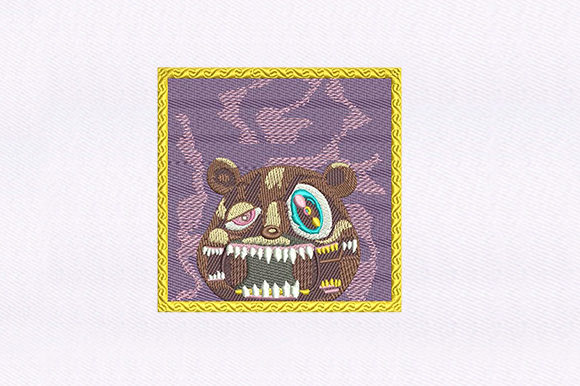
As an embroidery designer who has spent years digitizing logos and reviewing files for small business clients, I approach every new machine embroidery design with a critical eye. It is not just about whether the image looks cute on a screen; it is about how that image translates into thread, how it withstands industrial washing, and whether it elevates a brand's identity. Today, I am reviewing the Demented Teddy Bear Design, a file that immediately stands out due to its unique character. While the category lists it under Teddy Bears, the title suggests a departure from the traditional, saccharine aesthetic often found in this niche. For boutique owners, café managers, and creators of handmade products, this distinction is vital.
The first impression of the Demented Teddy Bear Design is one of bold personality. In a market saturated with generic, overly sweet animal motifs, this design offers an edge. It feels less like a nursery decoration and more like a statement piece suitable for streetwear brands, alternative bakeries, pet shops with a sense of humor, or creative studios that want to project a quirky, modern vibe. When evaluating a digital embroidery file for commercial use, visual consistency with brand values is paramount. If your small business merch aims to be playful yet slightly rebellious, this design fits the bill perfectly. However, if your brand identity relies on softness and tradition, you must weigh how this "demented" twist aligns with your customer expectations.
Real-World Application for Small Business Merch
Let us imagine a real-world scenario where this design adds tangible value. Consider a local coffee shop that wants to move beyond paper cups and offer reusable tote bags or staff aprons that customers actually want to wear. The Demented Teddy Bear Design could serve as a striking chest logo accent on a barista's work shirt or a central motif on a canvas tote. Because the design likely features expressive lines and character, it works exceptionally well as an embroidered patch. Patches are a booming trend in small business merch, allowing businesses to create limited-run items without committing to large minimum orders for custom apparel.
For Etsy sellers and crafters, this embroidery file offers versatility. It can be applied to denim jackets, beanies, or even used as a decorative element on product packaging accents. The key here is the "personality" of the bear. A standard teddy bear might get lost in the noise of generic merchandise, but a characterful, slightly edgy bear creates a conversation starter. This drives buyer engagement and helps build a community around your brand. Whether you are creating customer gifts for a holiday event or producing a line of branded caps, the uniqueness of this design can increase the perceived value of the finished product.
Technical Performance and Production Considerations
From a technical standpoint, the success of any commercial embroidery project depends on how the design handles various fabrics and hoop constraints. The product description indicates compatibility with a vast array of formats including DST, PES, EXP, JEF, and VIP. This wide compatibility is excellent for shops running mixed fleets of machines, from Brother to Janome to Tajima. However, before running a production batch, there are several critical factors to evaluate regarding the Demented Teddy Bear Design.
First, consider the stitch density. Designs with high detail or "sketchy" aesthetics—often implied by unique character names—can sometimes suffer from excessive stitch counts if not digitized correctly. High density on a curved surface, such as a cap front, can cause puckering or distortion. If you plan to use this for cap embroidery, I strongly recommend testing the design on a structured cap frame first. Similarly, for apron embroidery on heavy canvas or twill, ensure the needle penetration does not compromise the fabric integrity. The texture of the material matters; a rough linen might obscure fine details, while a smooth polo shirt could highlight them beautifully.
Another crucial aspect is scalability. Can this design function effectively at a small patch size? Intricate facial features or text elements within the design might merge together if scaled down too far. Before offering this as a add-on for product labels or small pocket logos, create a printable mockup at the intended size and inspect the spacing. If the design relies on tiny lettering or very fine outlines, it may require simplification or a larger application area to remain legible and professional.
Brand Identity and Customer Trust
Using a distinctive image like the Demented Teddy Bear Design impacts brand recognition. Consistency is key to building trust. If this bear becomes the mascot for your bakery or pet brand, it needs to look sharp on every item, from dark uniforms to light-colored tote bags. Thread color contrast is essential here. On dark fabrics, you may need to adjust the underlay or choose brighter thread colors to ensure the design pops. Conversely, on white apparel, ensure the outline stitches are dense enough to prevent the fabric from showing through gaps.
Furthermore, the choice of this specific design signals to your customers that your brand is confident and creative. It moves away from the safe, corporate look and embraces a more artisanal, handmade product feel. This can be a powerful differentiator for small businesses competing against mass-market retailers. When a customer sees a well-executed, unique embroidered patch on a bag or hat, it reinforces the idea of quality and attention to detail, directly influencing their perception of your professionalism.
Designer Notes and Final Recommendations
Before integrating the Demented Teddy Bear Design into your inventory or client projects, follow these practical steps to ensure a flawless result:
- Test in Black and White: Stitch the design using only black and white thread first. This removes the distraction of color and allows you to clearly see the definition of shapes and the effectiveness of the stitch directions.
- Verify Hoop Size: Check the dimensions of the design against your available hoops. Ensure it fits comfortably without requiring excessive re-hooping, which can lead to alignment issues.
- Stabilizer Selection: Match your stabilizer to the fabric. Use cut-away stabilizer for stretchy knits and tear-away for stable wovens. For textured fabrics like towels or fleece, consider a water-soluble topper to prevent stitches from sinking.
- Review Commercial Licensing: Although the file formats suggest broad compatibility, always confirm the licensing terms. Ensure you have the right to use this design asset for commercial goods you intend to sell.
- Fabric Testing: Never run a full batch without a test run on the exact fabric you plan to use. Fabric texture and weight dramatically alter how a design lays flat.
In conclusion, the Demented Teddy Bear Design represents a fantastic opportunity for businesses looking to inject personality into their merchandise. It bridges the gap between whimsical and edgy, making it suitable for a wide range of applications from staff uniforms to limited-edition retail items. By paying attention to technical details like thread colors, density, and fabric compatibility, you can transform this digital file into a physical asset that strengthens your brand identity and delights your customers. Always remember to check the specific file details provided in the download, such as the exact stitch count and recommended hoop size, as these vary by format and vendor. With careful execution, this design can become a cornerstone of your small business's visual strategy.